
Describe the sequence in ordinary words
“It goes cold” can describe several different problems. The shower may start cold, warm normally and remain steady. It may alternate repeatedly while running. It may deliver a brief cooler patch after someone stops and restarts it. Or it may gradually lose heat after several showers. Write the sequence as you experience it before trying to name a failed part.
Include what happens to flow at the same time. Does the spray weaken when the temperature changes? Does the heater display show anything different? Does another tap open just before the change? These observations do not require removing a cover or adjusting a valve. They help the person assessing the system decide whether to focus first on supply, heating, outlet mixing or the sequence of household demand.
If the shower becomes unexpectedly very hot, stop using it until it has been assessed. Do not keep repeating the event with someone under the spray to gather evidence. Children and anyone unable to react quickly should not be exposed to an unstable outlet. A short account of an unsafe change is enough reason to seek help; proving the exact temperature yourself is unnecessary.
Compare one shower with the rest of the home
An issue confined to one shower deserves attention to that outlet and its branch. A mixer, showerhead or local restriction can affect the experience even when hot water elsewhere is satisfactory. Compare an unaffected outlet under similar conditions, keeping in mind that a kitchen tap and a shower may have different flow and mixing arrangements. A single quick comparison is a clue, not a diagnosis.
When several outlets show the same problem, shared components become more relevant. The heater, incoming supply and common mixing arrangements may need checking. Record whether all outlets are affected simultaneously or whether each becomes inadequate after prolonged use. Those patterns can suggest different lines of investigation, and a technician may need to reproduce ordinary operating conditions to confirm the cause.
In a home with more than one water heater, identify which outlets each serves before drawing conclusions. An extension or separate accommodation area may have its own system. A good shower in one bathroom then tells you little about the heater serving another. Provide any known plumbing layout and let the professional verify it instead of assuming the whole property has a single hot water source.
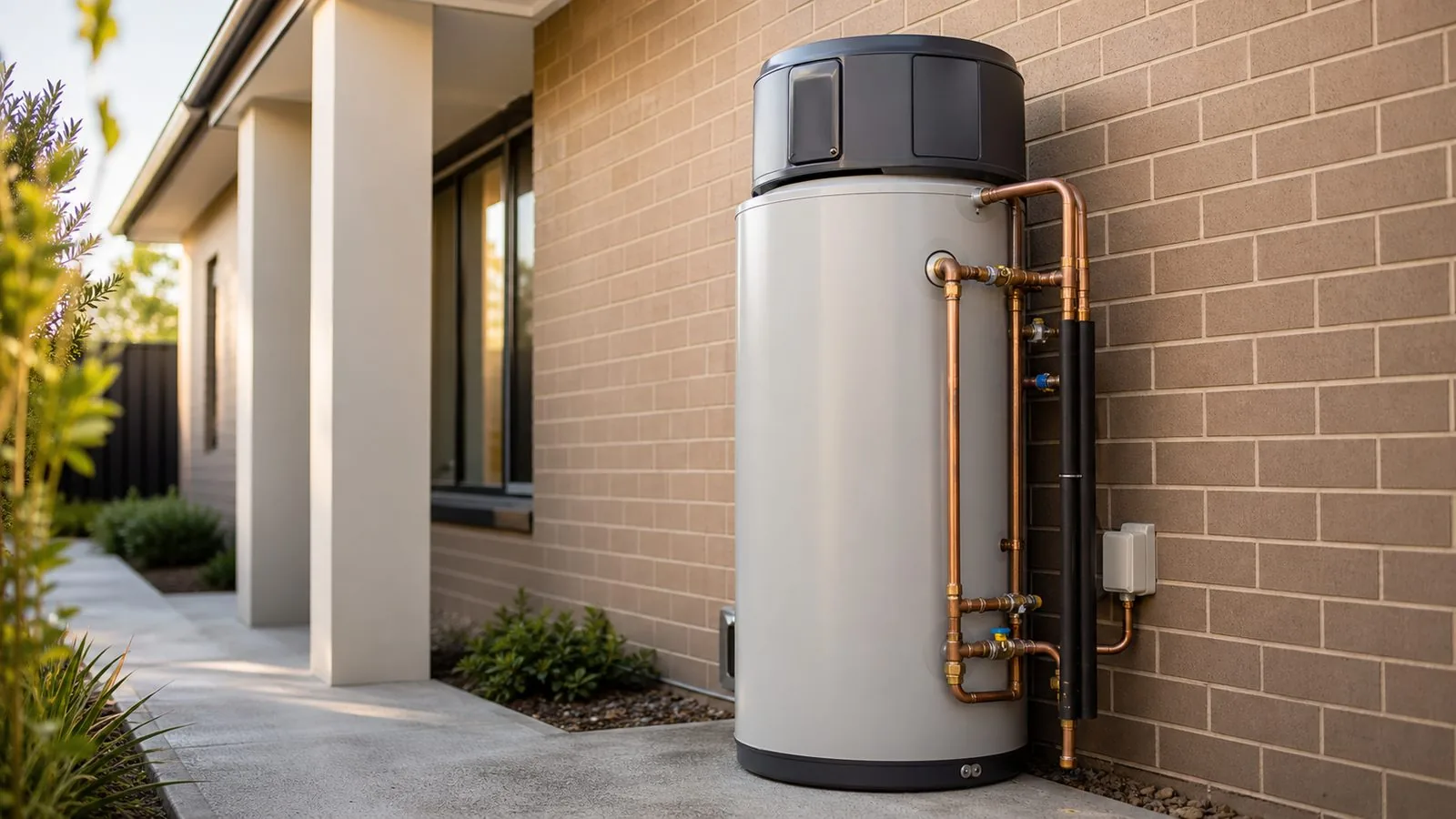
Notice competing water use
If a temperature change coincides with another tap opening, record which tap and whether it draws hot, cold or mixed water. A toilet refill, laundry use and a second shower create different demand patterns. The aim is to establish the everyday trigger without deliberately creating an unsafe condition. Note what family members were doing when the change happened naturally.
Changes in supply pressure, available flow and mixing behaviour can interact. A larger storage tank may increase the amount of hot water available, but it does not automatically correct a pressure imbalance at a shower. Similarly, a high-output continuous-flow appliance still depends on suitable supply and distribution. Ask for the proposed remedy to explain the observed trigger rather than simply offering a larger unit.
Give the assessor a realistic description of simultaneous use. If two showers normally run before school in a Cranbourne household, that should be part of the discussion. A demonstration with only one tap open does not answer the family's actual question. Ask how the system will be checked under representative demand while maintaining safe conditions for everyone in the house.
Separate storage depletion from unstable mixing
With a storage system, hot water availability reflects what has already been used and when heating has occurred. If the first shower is satisfactory and later showers progressively cool, note their order, duration and the earlier household uses. Include any unusual bath filling or visitors. This helps distinguish an increase in demand from a change in heating or usable supply.
A timer restriction or controlled-load interruption can affect when recovery happens. If the pattern began after an electricity plan change or a new heating schedule, provide that information. Do not assume the tank has physically become smaller because the household now experiences less hot water. A fault or a changed operating opportunity may be responsible, and these need checking before capacity decisions.
By contrast, rapid changes while a single shower runs may involve mixing or flow behaviour rather than simple depletion. Ask for the investigation to consider that distinction. Avoid treating the heater's display as a measurement of what reaches the shower. The stored water, outlet mixing components and distribution pipework all sit between a displayed value and the final experience under the showerhead.
Check what changed at the outlet
A new showerhead or mixer can alter flow and the proportion of hot and cold water passing through the outlet. Some continuous-flow heaters depend on a minimum flow through the appliance to operate. The relevant requirement belongs to the specific model, so do not copy a number from another product or use a general online threshold as a repair instruction.
If symptoms began after a fitting change, record the product name and installation date. Keep the old invoice or product sheet if available. Ask whether the new outlet is suitable for the existing heater and supply arrangement, and whether installation or adjustment needs reviewing. This is more useful than removing flow controls or opening another tap every time someone showers to keep the heater running.
A recently fitted component is not automatically defective. It may expose a condition that the former fitting did not reveal. The practical question is how the complete system behaves together. Ask the plumber to explain the interaction and the proposed correction, including whether it changes water use, user controls or the experience at other outlets. That explanation should be specific to the equipment installed in your home.
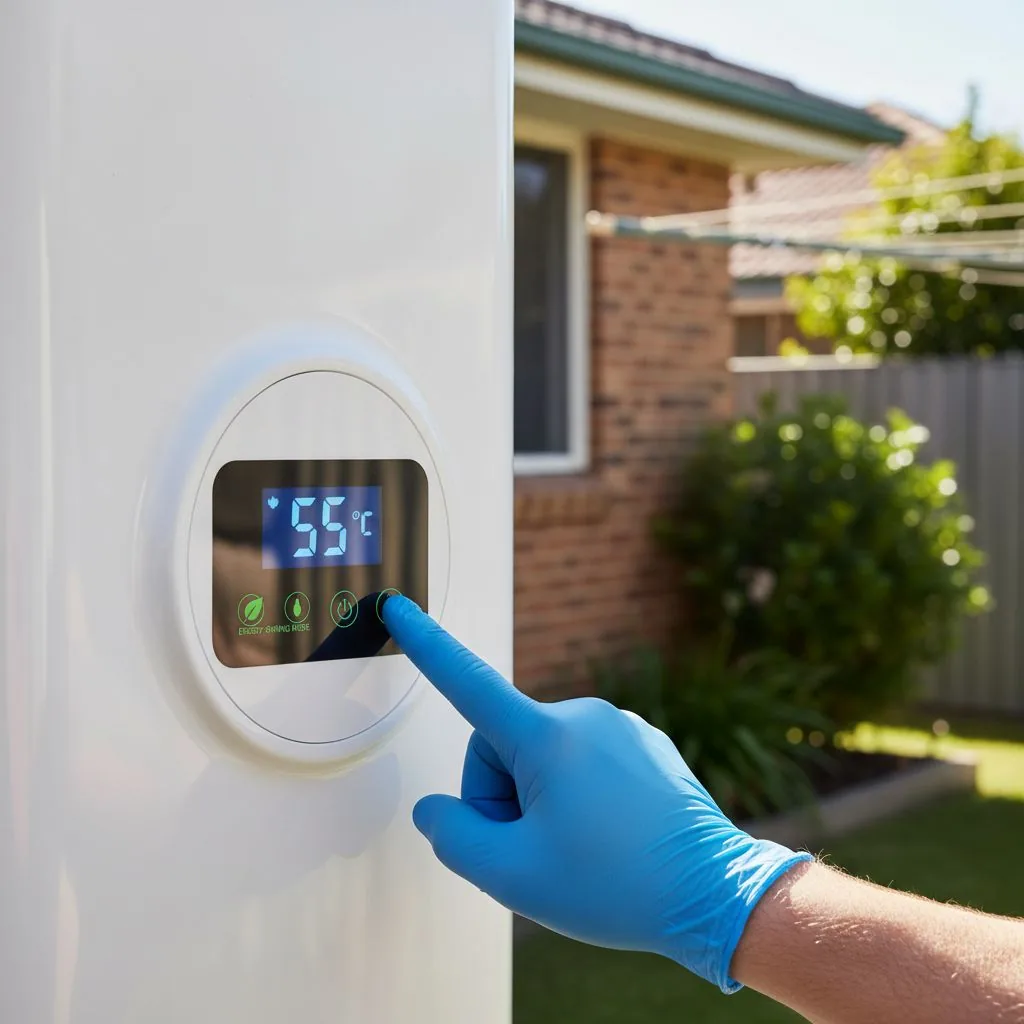
Hypothetical example: a cold change after a shower upgrade
A Hampton Park household replaces an old showerhead during a bathroom refresh. The heater is unchanged, but the shower now sometimes cools when the mixer is turned towards a gentler flow. The family considers replacing the heater. Before seeking quotes, they note that the kitchen remains satisfactory and that the new symptom appeared after the showerhead change.
Those observations justify checking outlet compatibility and operation first. The assessor reviews the heater and showerhead models, verifies the flow conditions and checks the mixer. The cause might be related to the new flow pattern, an existing restriction or another component. The homeowner's notes direct the assessment without pretending that timing alone proves which part is responsible.
The proposed fix should be tested at the normal shower setting the household uses. A demonstration at maximum flow may conceal the original complaint. If changing the outlet is recommended, ask what behaviour should improve and whether other adjustments are needed. Keep the explanation and product details so any recurrence can be described accurately rather than beginning another investigation from scratch.
Avoid adjustments that hide the fault
Turning the heater hotter can change the balance of hot and cold water at a mixer, but that does not make it a safe or appropriate fix. It may worsen some low-flow interactions and increases the consequences of a hot surge. Leave temperature-control and safety-component adjustments to the appropriate professional. Report the symptom and current settings instead of experimenting through progressively hotter options.
Repeated resets can also hide useful evidence. If the display shows an error, record it before following the owner's permitted restart procedure. If it returns, stop repeatedly clearing it and seek an assessment. A temporary return to normal does not establish that the cause has been repaired. Tell the technician how often it occurs and whether power, weather or water demand seems related.
Do not dismantle a mixing valve, remove a heater cover or bridge a control as a diagnostic experiment. Simple owner maintenance described in a tap or showerhead manual is different from changing the operating safeguards. If sediment or a restriction is suspected, explain what you can see from outside and ask for the appropriate inspection. Avoid handling hot discharge water or touching hot pipework to trace temperature.
Prepare a useful service enquiry and acceptance check
Provide the heater's model, the affected outlets, the symptom sequence and any recent changes. Add the normal busiest use period and whether the issue is continuous or intermittent. A photograph of an accessible label and a written error code can save confusion. Keep your observations factual: “second shower cooled after the laundry started” is more useful than “the thermostat must be broken”.
Ask what checks are included and whether the assessor needs access to multiple outlets or the electricity controls. If the fault occurs only at a particular time, discuss how to capture useful information without running unsafe experiments. Intermittent problems may require a follow-up observation, and that should be explained rather than masked by an unsupported promise that one visit will identify everything.
After corrective work, test the original pattern safely with the professional's guidance. Confirm that the normal shower setting works and that the remedy has not created problems elsewhere. Keep the documented cause, changed parts and operating instructions. If the symptom returns, compare it with the earlier sequence and report the difference. That makes a follow-up much more focused than repeating the broad complaint that hot water is unreliable.
Ask for any changed user controls to be explained to every regular shower user. A repair can leave the system operating correctly while someone continues using an old control routine that no longer suits it. Record which control sets the normal delivery condition and which adjustments should be left alone. Where an accessible display reports errors, keep the meaning and reporting instructions with the manual. If a follow-up is needed, the technician should receive both the original complaint and the current pattern, including what improved. Partial improvement can help identify which part of the problem remains unresolved.