
Follow the water before blaming the heater
A hot water system can be working properly while a distant tap still takes a frustrating time to warm up. Between the heater and the outlet sits a length of pipe filled with water. After an unused period that water cools. Opening the tap moves it out before freshly heated water reaches you. The delay therefore depends on the route, the volume in the pipe and the flow through the outlet, as well as anything happening at the heater.
Start by separating two complaints that sound similar over the phone. “It takes a long time, then stays hot” points towards a different investigation from “it starts hot, goes cold, then warms again”. A system that never provides adequate hot water needs an operating check. A distant basin that is slow only on its first use may need a distribution review. Describing the sequence saves a technician from investigating the wrong problem.
In a Berwick or Narre Warren home with an added ensuite, the nearest room on the floor plan may not have the shortest plumbing route. Pipes can follow an older bathroom branch, travel around a slab or run back through a ceiling. Do not assume that moving the heater a small distance will shorten the actual route. Ask the plumber to identify where the water travels.
Make a repeatable tap-by-tap record
Choose an ordinary morning when the hot water has been unused for a while. Note the first outlet used, whether someone has already showered and whether the washing machine or another appliance has drawn hot water. Time how long the outlet takes to become usefully warm at its normal flow. Keep hands out of unexpectedly hot water and stop the observation if temperature is unsafe. There is no need to measure the maximum temperature yourself.
Repeat the observation at the same outlet shortly afterwards. Then make a separate observation at a closer outlet on another similar morning. Comparing a cold pipe with an already warm pipe creates misleading results, so record the order. A short written note is enough: kitchen first use slow, repeat use quick; laundry first use quick. Include whether the flow appears weaker than before and when the issue first became noticeable.
If you collect the initial cool water for household use, use a stable container and stop before it becomes hot or heavy. Measuring the amount is optional. Do not leave taps running unattended to collect more data. The useful evidence is the contrast between outlets and between first and repeat use, not a perfectly precise measurement obtained by wasting a large amount of water.
Understand what a replacement can and cannot change
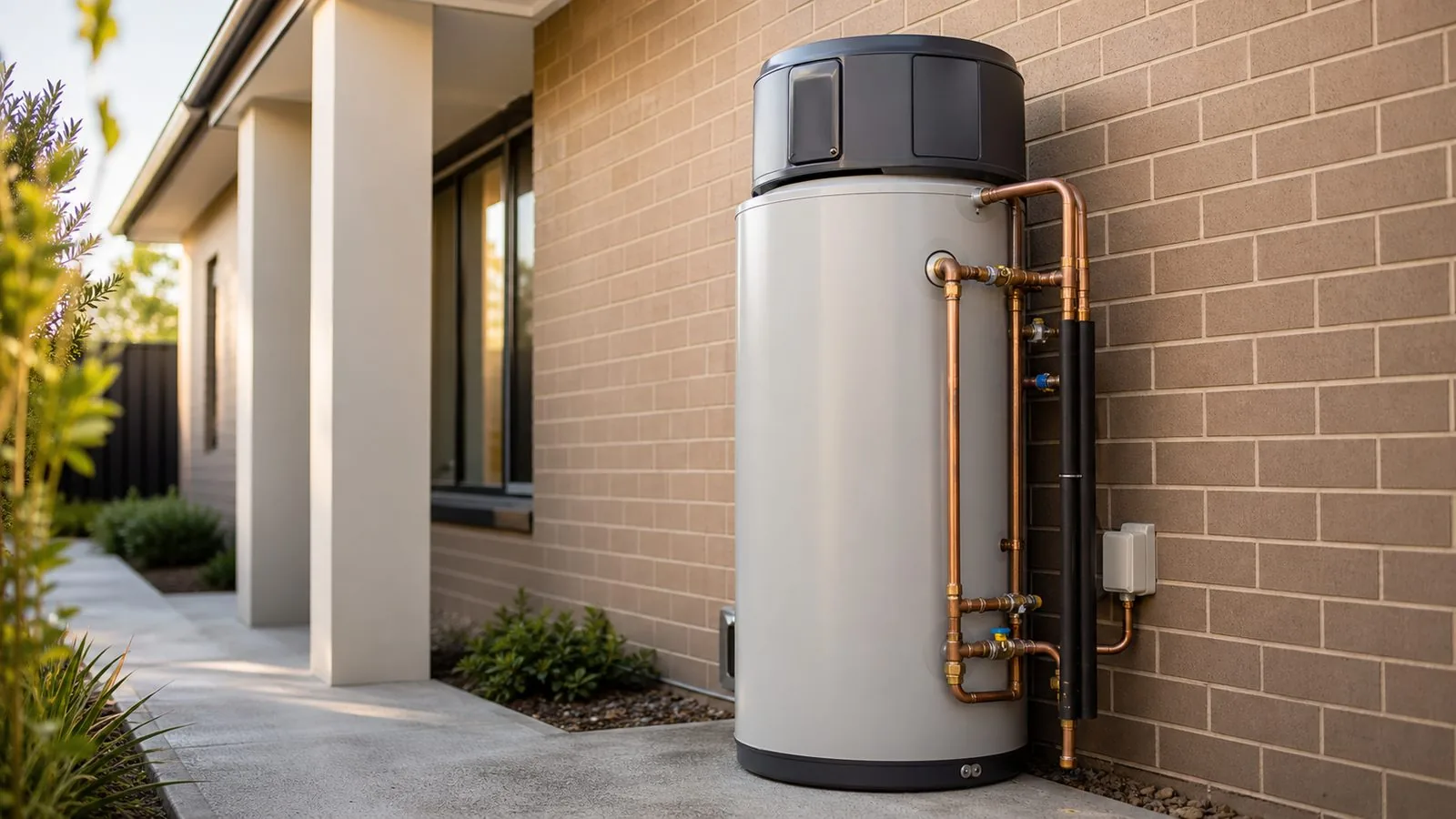
Replacing a storage tank with another storage tank does not, by itself, remove the water held in a long kitchen branch. Nor does changing to continuous flow automatically provide immediate hot water at every outlet. The appliance responds to demand, but the delivery pipe still exists. A quotation should separate the performance expected at the heater from the experience expected at the furthest tap.
A new heater can improve a delay caused by a genuine appliance fault, poor recovery or unsuitable controls. That is different from solving distribution delay. Ask the person quoting to state the suspected cause and the evidence for it. “A new unit should be better” is not a useful explanation if the proposed work retains the same pipe route and outlet arrangement.
Be wary of choosing a larger pipe purely because it sounds like an upgrade. Pipe sizing must support the required flow and pressure, but a larger internal volume also means more cooled water to displace. This is a design tradeoff for the plumber, not a homeowner adjustment. Equally, a smaller pipe chosen only to reduce waiting can create an unacceptable flow restriction when multiple outlets run.
Ask how the proposed improvement behaves after different idle periods. A warm-pipe demonstration immediately after another tap has run is the easiest case. The first use after a long absence is the harder case. If a circulation option promises a shorter wait, request an explanation of its trigger: a button, a sensor, a scheduled period or continuous operation. Then consider whether everyone in the house will use that trigger. An excellent result that depends on an unfamiliar app may be less practical than a modest pipe improvement for a household that wants ordinary taps to remain the only controls.
Compare pipework changes with circulation
The most direct improvement during a renovation can be a shorter route from the hot water source to frequently used outlets. Ask about unnecessary detours and branches left from an old bathroom layout. The cost and practicality depend on access. A readily accessible ceiling route is a different job from pipework embedded in a finished slab. Photograph accessible areas and provide renovation drawings before requesting options.
Insulation helps retain heat between uses, especially on accessible exposed pipework. It does not keep an unused branch hot indefinitely. If your main complaint is the first kitchen use after a whole night, insulation alone may disappoint. If repeated short tasks throughout the morning keep encountering cooling pipes, it may be more useful. Ask what improvement is realistic for your actual pattern rather than accepting a general energy-saving claim.
A circulation system can keep or bring hot water closer to outlets, but it introduces controls, compatibility questions and heat loss from circulated pipework. Ask whether a return pipe is required, how demand is triggered, and what happens outside the operating window. Continuous operation is not the same proposal as a demand-controlled pump. Some arrangements involve crossover components, so ask specifically about effects at cold taps and suitability for your heater.
Consider a separate supply only for the right outlet
A small local water heater can make sense for an isolated sink used regularly, but it adds another appliance to own and maintain. It needs suitable space, connections and electrical arrangements. A kitchen cupboard may already contain bins, filters and plumbing that compete for room. Ask how access for future servicing will work after the cupboard is filled with everyday items.
Compare the whole installed arrangement, not just the price of a compact unit. Include the required electrical work, valves, discharge provisions, cupboard changes and treatment of the old hot water branch. Ask whether the local system will meet the sink's actual use. A handwashing basin and a kitchen sink used to wash large pans have different demand patterns. A product selected for one may disappoint at the other.
Before adding equipment, decide whether you are solving a frequent inconvenience or a rarely used outlet. A remote guest bathroom used occasionally might justify retaining the existing arrangement until renovation. A kitchen used throughout the day may support a different decision. The purpose of the comparison is to choose a proportionate fix, with a clear explanation of what happens at that particular tap.
Hypothetical example: a slow kitchen after an extension
A family in Cranbourne extends the back of the home and moves the kitchen. The shower remains satisfactory, but washing hands at the new sink involves a long wait. They consider replacing the existing tank because it is the most visible part of the system. Their notes show the second kitchen use is much quicker and the old laundry outlet warms promptly after a comparable unused period.
Those observations do not prove a particular defect. They do justify asking about the new kitchen branch before ordering a heater. The plumber can review the extension drawings, inspect accessible pipework and compare the likely route with the former kitchen position. If an unnecessary detour is accessible, rerouting may be worth quoting. If the route is buried under finished work, a local supply or controlled circulation option may deserve comparison.
The family should request the expected result in plain language: which outlet improves, under what conditions, and what waiting remains. After work, they repeat the same first-use and repeat-use observations at ordinary flow. That comparison is more useful than running every tap together immediately after installation, when the pipes have already been warmed by commissioning and the original morning complaint cannot be reproduced.
Avoid the common shortcuts
Turning up a heater to overcome a long pipe delay confuses temperature with delivery time. It can increase the consequences of an unexpectedly hot outlet and may alter how mixing controls behave. Leave safety settings and plumbing adjustments to the appropriate professional. Explain that the problem is waiting time, and ask for an investigation that preserves safe delivery temperatures rather than seeking a hotter tank as a shortcut.
Removing a tap's flow control is another poor starting point. More flow might move cooled water faster, but it can increase consumption and hide the actual cause. If a recently fitted outlet changed the experience, provide its model and ask whether it is suitable for the existing system. Cleaning an accessible aerator may be an owner task when the tap instructions permit it; dismantling a mixer or altering heater components is different.
Do not accept pipe rerouting without knowing what happens to disused branches. Ask how redundant connections will be dealt with and how the completed route will be documented. A photograph before walls close can help future fault finding. Keep that photograph with the quote and a simple sketch identifying the heater, principal branches and the outlet that originally caused the complaint.
Ask for an outcome you can verify
A useful enquiry includes the heater model, its location, the affected outlets, the time pattern and any recent changes to taps or rooms. Add whether there is accessible roof or subfloor space and whether building work is planned. These details allow a discussion about inspection and options. They do not require you to diagnose pipe sizes or remove covers.
Ask for separate descriptions of appliance work and distribution work. If a proposal includes a pump, request the operating method and the expected maintenance responsibilities. If it includes a local heater, request the practical storage-space impact. If it recommends doing nothing until renovation, ask what evidence supports waiting and what change in symptoms would justify another assessment.
Once work is complete, compare the same outlet under the same conditions used in your original notes. Check normal use rather than an artificial maximum-flow demonstration. Keep records of any remaining delay so the installer can distinguish expected pipe cooling from a new fault. A successful outcome is a household routine that works better, with the cause and limits understood before the work begins.