
Start with the next shower, not the cheapest hour
The purpose of a hot water schedule is to heat at useful times while keeping the household supplied. A narrow timer window can look attractive on an electricity graph and still fail the next morning. Before changing anything, list the main daily uses: early showers, baths, kitchen cleanup and any appliance that actually draws hot water from the house supply.
Separate ordinary demand from occasional demand. A household that usually has two evening showers may also host family for weekends. A shift worker may shower at midday and again after a late return. Those patterns matter more than a generic household-size label. If you have a storage system, the available reserve and the time needed to restore it must suit the periods when heating is permitted.
In South East Melbourne, assess a schedule through changing weather and seasons rather than judging it from one warm sunny day. You do not need to predict every variation. You need to understand which conditions reduce available heating time or increase demand, and what the system does then. A workable schedule includes a clear response when the ordinary pattern changes.
Identify which controls actually control heating
Find the exact model and its owner instructions before using a timer menu. A built-in timer, a connected app, a wall switch and a network-controlled electricity circuit are not interchangeable. One may set a preferred operating window; another may remove electrical supply altogether. The effect on normal controls and protective functions depends on the particular equipment and how it was installed.
Write down the present operating mode and schedule before changing anything. Photograph the display, including the clock and any day-of-week settings. Check whether the app shows local time correctly and whether a power interruption resets anything. A heater that appears to ignore its schedule may simply have an incorrect clock or an override left active after visitors stayed.
Do not add an external smart plug or switch as an assumed shortcut. Electrical suitability, switching requirements and manufacturer instructions need checking. Equally, do not disable automatic protective functions to keep every heating event inside a preferred window. Ask the installer to distinguish what the homeowner may schedule from what the appliance needs to manage for safe and reliable operation.
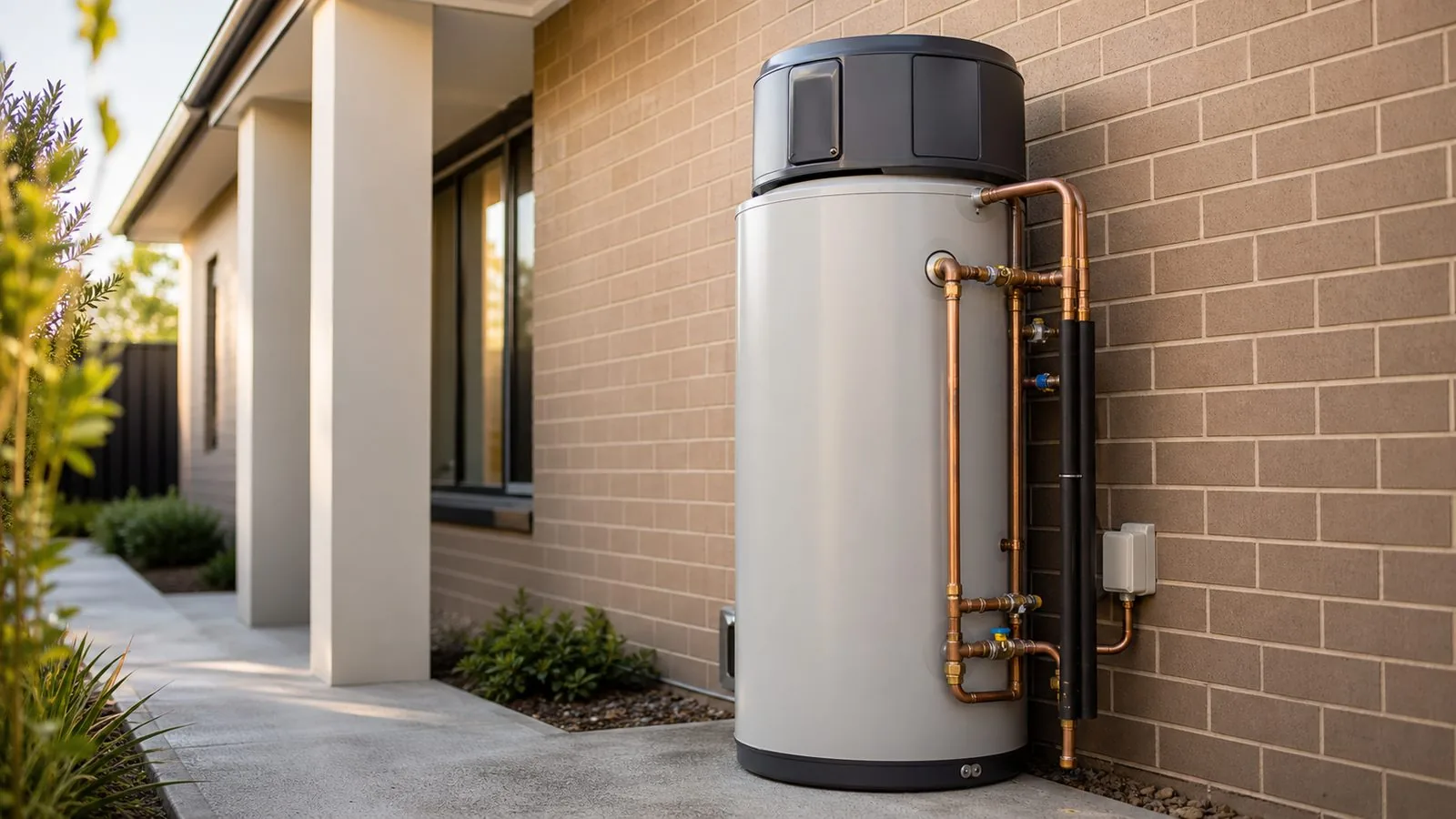
Use solar surplus rather than panel capacity
Rooftop solar capacity is not the same as spare electricity available to a water heater. Other household loads use some generation as it occurs. A heating cycle that overlaps an oven, electric vehicle charger or air conditioner may draw from the grid even when the roof is producing electricity. Look for actual export and import information, not just a daily generation total.
Where monitoring is available, compare several representative days. Note the time when surplus begins, how it changes during the afternoon, and whether clouds interrupt it. The useful question is whether a realistic heating window often overlaps spare generation while still completing recovery. A total daily solar figure cannot show whether that electricity was available at the time the water heater needed it.
The Australian Government's solar guidance notes that moving electric hot water into solar hours can help, but the outcome depends on electricity use and the pricing plan. That is why a universal timer setting is unhelpful. Ask for a proposal that uses your household data, identifies likely imported electricity and explains what happens on a low-generation day without leaving the household short.
If you also have a home battery, identify the household priority before changing hot water timing. Heating water, charging the battery and charging a vehicle may compete for the same surplus. Ask whether the proposed schedule simply uses a fixed clock window or can respond to available generation. Those are different control strategies. A fixed timer can be useful, but it cannot know that a cloudy afternoon has reduced generation or that another appliance has started. Compare the complete household pattern rather than treating the water heater as the only flexible load.
Understand controlled load before changing hours
Some electric hot water systems receive power through a controlled-load arrangement. The periods when power is available may be determined outside the appliance. A homeowner timer cannot make the unit heat while that supply is unavailable. Check the bill, meter arrangement and installation records, then ask the retailer and electrician to explain how the existing system is supplied.
Changing from controlled load to another arrangement is a different decision from setting a timer on equipment already connected to general supply. It can involve electrical work and a tariff change. Ask what will change on the bill and whether other equipment shares the circuit or metering arrangement. Avoid evaluating the change from one attractive advertised rate without considering when imported electricity will actually be used.
If the current system provides adequate hot water at an acceptable operating cost, there may be no reason to rush a change before the facts are clear. If it routinely runs out, identify whether limited supply hours, capacity, a fault or household demand is responsible. Those causes need different remedies. A schedule adjustment should follow that investigation rather than becoming a substitute for it.
Keep recovery time and backup in the discussion
A storage heater must replace the heat removed during use. Restricting heating hours reduces the time available to do that. Ask how the proposed window performs after the household's busiest realistic demand, not just after a lightly used weekday. For a heat pump, obtain the selected model's performance information for relevant conditions instead of assuming that every litre can be reheated at the same rate all year.
Backup or boost operation can restore supply when circumstances demand it, but frequent use deserves investigation. Record when boost is selected, whether it happens automatically and what preceded it. A large family visit is different from repeated shortages during an unchanged routine. Ask whether the cause is a window that is too short, unexpected demand, a control setting or an equipment problem.
Do not switch off backup simply because it appears on a usage graph. First understand the job it is doing and whether the model allows that choice. Keep a practical reserve for ordinary variation. A schedule that saves a small amount on one day but repeatedly requires inconvenient manual intervention may not be the best arrangement for the household.
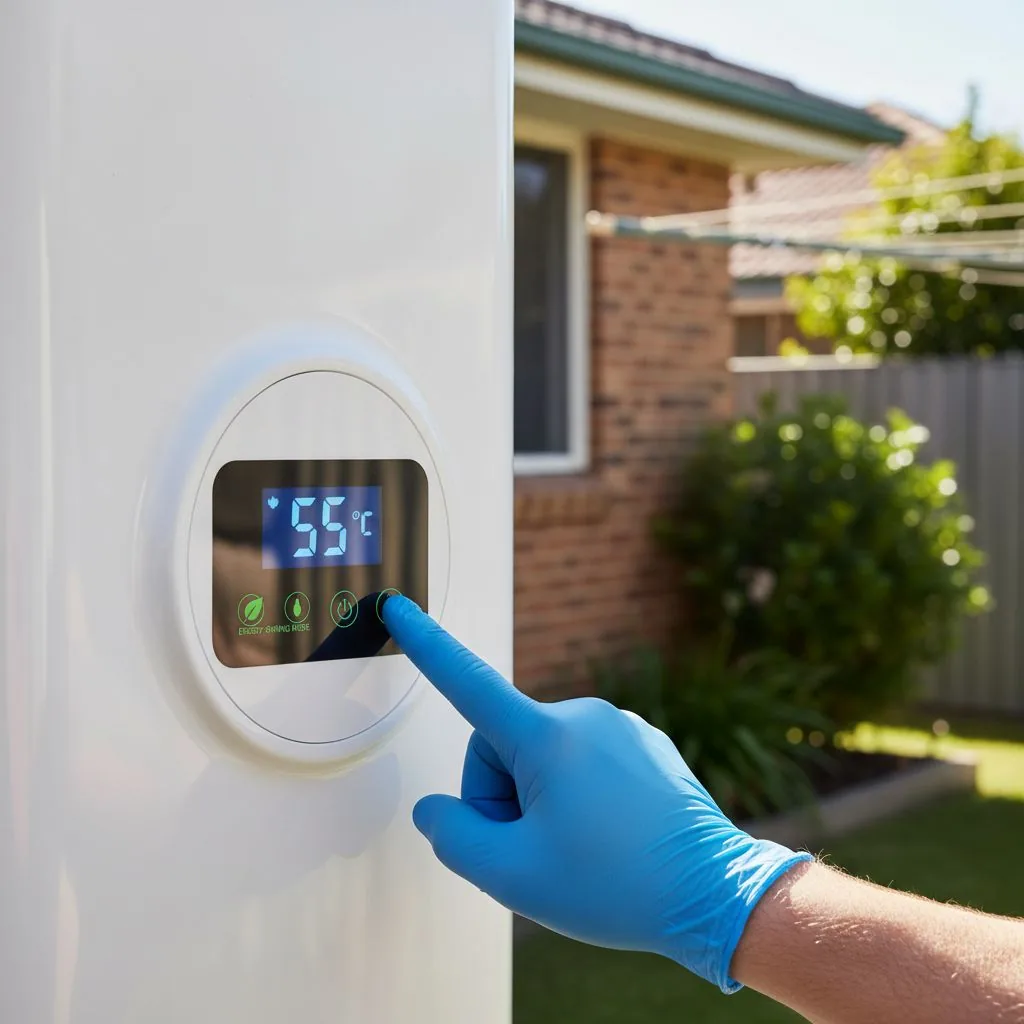
Hypothetical example: solar hours and early showers
A Berwick household has rooftop solar and mostly showers before work. They want the water heater to use daytime generation, but their existing schedule includes early-morning heating. Rather than removing that period immediately, they record shower demand, the current mode and a week of generation and import patterns. They also obtain the heater's instructions and confirm how its timer interacts with automatic heating functions.
The proposed change needs to answer a specific question: can heating during the previous day leave enough reserve for the following morning? The installer considers the system's usable supply, recovery characteristics and realistic losses between heating and use. If the household has an unusually busy morning, the plan needs an understood override or another suitable recovery opportunity.
After an agreed adjustment, the household observes both comfort and electricity behaviour. They note whether morning supply stays adequate, whether boost use increases and whether heating imports power during cloudy periods. They do not declare success from one sunny day or from a lower generation-export figure alone. The comparison includes similar demand and weather where possible, with the original settings recorded so the change can be reviewed.
Run one controlled change at a time
Changing the timer, operating mode and temperature together makes it difficult to identify what caused the result. Start by documenting the existing setup, then agree on a single appropriate change. Keep the commissioned storage and safety settings intact. Record the date, new operating window and any unusual household demand during the observation period.
Watch the experience at the times that matter most. If the first shower is fine but a later shower becomes inadequate, record that sequence. If all showers remain satisfactory but a heating cycle runs outside the expected window, check the manual for the reason before assuming the timer is faulty. Automatic controls can have functions that are not obvious from the simple schedule screen.
Review the electricity evidence on the same basis before and after. A whole-house bill combines weather, occupancy and many appliances. Where the heater's own consumption is not measured, avoid claiming an exact saving from a short trial. You can still learn whether the schedule is practical and whether it appears to align with available solar, while being honest about what the monitoring cannot separate.
Make the household instructions easy to use
Once the schedule is agreed, keep a short note explaining normal mode, how to request extra hot water and how to return to normal afterwards. Include the model name and where the manual is stored. A guest or another household member should not need to experiment with several menus to prepare for an unusual day.
Check the schedule after a clock change, outage or app update if the model's instructions indicate that settings may need attention. Record any recurring problem rather than repeatedly pressing boost and forgetting it. A pattern of manual intervention is useful evidence that the schedule, demand estimate or equipment needs review. The aim is a routine that works without constant supervision.
When seeking help, supply the present schedule, approximate demand pattern, supply arrangement and available solar information. Ask for a clear explanation of the proposed change and how to assess it. There is no need to share account passwords or grant access to an energy app merely to describe your usage. A few relevant screenshots and a written account of when hot water is needed can support a much more productive discussion.